 Sonal Singh On Sonal's Table

Related Articles
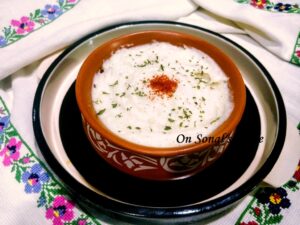
I am a person who is fascinated by food. I love cooking but more than that, on nights when I am unable to sleep, I love reading about the history and origin for various foods and dishes. It was recently that I came across several articles on a dish that I prepare often for my family and which my children love – mashed potatoes.
Now, potatoes have long since been considered a European staple. But, did you know that in reality they are a New World food and were introduced to Europe by Spanish explorers around 1536?
Some believe that the recipe for mashed potatoes originated as far back as 1771 when a French man named Antoine Parmentier organized a cooking competition on the various methods of preparing potatoes. There are others who contend that mashed potatoes originated as a dish in England somewhere in the 1600s. What I say is – whosoever it was that gave us the recipe, I sure am glad that they invented it.
Mashed potatoes make the perfect accompaniment to baked/grilled chicken. There are many recipes out there for preparing the recipe. Mine incorporates all three dairy ingredients – milk, butter and cream. My secret is whisking the dairy into the starchy, mashed tuber so that it aerates. I know, I know… many of you would be raising your eyebrows at this. But, trust me when I say that the whisking makes the dish fluffier. Here is how I do it.
INGREDIENTS
- 6 medium sized potatoes (boiled or steamed)
- 3 table spoon butter (unsalted)/ ¼ cup
- 3 table spoon cream (full fat)/ ¼ cup
- ½ cup milk (full fat)
- Salt and pepper to taste
- 1 teaspoon rosemary (dried)
- A little bit of coarsely ground black pepper for garnish
Note – I boil my potatoes in a pressure cooker. I add the washed potato to the vessel and add water till it comes about 1 inch above the potatoes. Then I give one whistle on high flame and two whistles on medium flame. I allow the cooker to cool and then open it to peel the potatoes. However, you can boil the potatoes in a pot of water also. For that, just put a large pot of water to boil with the potatoes. For faster results, you can cut the potatoes in halves or quarters (with skin). However, add the potato to the water and then switch on the heat. This ensures that as the water heats the potatoes cook evenly. Keep a check. The minute you discern that the potatoes are done, switch off the heat and strain immediately and then peel.
If you use salted butter for the potatoes then proportionately reduce the amount of salt you add to the dish.
METHOD
- Peel the skins of the boiled/steamed potatoes and immediately mash them with the 2 table spoons of butter. Add the salt and pepper. It is easier to mash the potatoes when they are hot. You can use a potato masher or a fork. The mixture will cool as you mash and that is important before you add the milk and cream.
- Heat the milk till it is lukewarm and then add the cream. Whisk both together.
- Add the milk and cream to the mashed potatoes and add rosemary. This is a dish which tastes better if it is really buttery and creamy.
- With a hand whisk (the one we use for whisking eggs) whisk the mixture together for about 2 minutes. Any lumps will break down in this process and you will see a creamy, starchy texture emerge.
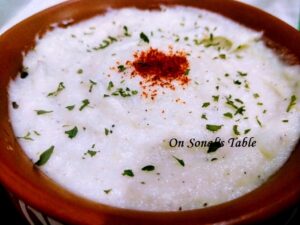
- Serve warm with some grilled/baked chicken or any vegetarian dish of choice.
.

One comment
Pingback: BBQ Chicken breasts in homemade BBQ sauce - Sonal Singh